

• Pay My Bill
  • Careers
  • Donate
  • My Chart
  • +1 (401) 227-3669
Endocrine Surgery

Endocrine Surgery

Care New England Welcomes Dr. Cotton

Dr. Cotton is the Chief of Endocrine Surgery at Care New England. He is a fellowship trained endocrine surgeon who specializes in the surgical treatment of both benign and malignant disease affecting the thyroid, parathyroid, and adrenal glands. For over a decade, Dr. Cotton has had a dedicated endocrine surgery practice in the state of Rhode Island. He is a high-volume surgeon performing over 400 operations annually. He has joined Care New England from the Department of Surgery at Brown University, where he earned a reputation as one of the region’s most distinguished endocrine surgeons.

Dr. Cotton has nationally recognized expertise in treating both routine and complex conditions of the thyroid, parathyroid, and adrenal glands. Endocrine surgery is the sole focus in his highly specialized practice. Dr. Cotton is an expert at thyroid ultrasound and ultrasound guided fine needle aspirations (FNA) biopsies, which are often performed in the office. He performs a full range of endocrine operations, including thyroidectomy, minimally invasive parathyroidectomy, modified radical neck dissections, and laparoscopic adrenal surgery.

Originally from Texas, Dr. Cotton graduated summa cum laude from Texas A&M University with a bachelor’s degree in Biomedical Science. He earned his medical degree from the University of Texas at San Antonio School of Medicine, where he was inducted into the Alpha Omega Alpha Medical Honor Society.

Dr. Cotton completed his internship and residency in General Surgery at the University of North Carolina in Chapel Hill. He then went on to complete a Fellowship in Endocrine Surgery at the University of Michigan as the Norman W. Thompson Fellow.

Given this recognized expertise in thyroid pathology and ultrasound, he has served as a course instructor of Thyroid Ultrasound for the American College of Surgeons as well as for graduating Endocrine Surgery Fellows at the American Association of Endocrine Surgeons.
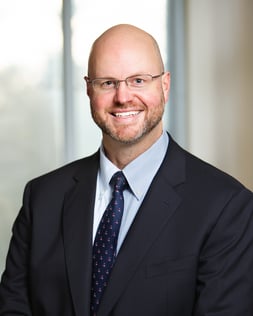
Dr. Travis Cotton High Res

Pictured: Dr. Travis Cotton

Contact
455 Toll Gate Road
Warwick, RI 02886
101 Plain Street, 4th Floor
Providence, RI 02903
P: (401) 738-6611
F: (401) 921-6952


Related Links

Endocrinology >>

Endocrine Surgery Conditions

Endocrine surgery focuses on conditions affecting hormone-producing glands, including the thyroid, parathyroid, and adrenal glands. While some conditions can be managed without surgery, others may require surgical treatment, often using minimally invasive techniques.

Adrenal Tumors

Most adrenal tumors are benign (noncancerous) and nonfunctioning, meaning they do not produce excess hormones. These tumors often require no treatment and may be monitored with periodic CT scans.

Some tumors are functioning tumors and produce excess hormones that can lead to conditions such as:

  • Cushing’s syndrome– caused by excess cortisol and associated with weight gain, high blood pressure, diabetes, bone loss, and mood changes.
  • Pheochromocytoma– a tumor that produces hormones affecting heart rate and blood pressure, causing headaches, sweating, and heart palpitations.
  • Hyperaldosteronism– excess aldosterone production that may lead to high blood pressure and low potassium levels.

Hormone-producing tumors typically require surgery. If adrenal cancer is suspected, removal of the adrenal gland (adrenalectomy) may be recommended, often using minimally invasive laparoscopic surgery.

Graves' Disease

Graves’ disease is an autoimmune disorder that causes the thyroid gland to become overactive (hyperthyroidism). This can lead to an enlarged thyroid as well as symptoms such as rapid heartbeat, anxiety, tremors, sweating, eye bulging, and weight loss.

In some cases, surgery to remove the thyroid gland (thyroidectomy) may be recommended.

Thyroid Nodule

A thyroid nodule is a lump within the thyroid gland that may be solid or fluid-filled. Most nodules are benign and are often discovered during routine exams or imaging studies.

Surgery may be recommended if a nodule is large, cancerous, or causing excess thyroid hormone production.

Goiter

A goiter is an enlargement of the thyroid gland. If the gland becomes large, it may cause discomfort, difficulty swallowing, or difficulty breathing.

In the United States, goiters are most commonly caused by thyroid hormone imbalance or thyroid nodules. Surgery to remove part or all of the thyroid (thyroidectomy) may be recommended if the goiter becomes large or causes symptoms.

Primary Hyperparathyroidism

Primary Hyperparathyroidism occurs when one or more of the four parathyroid glands produce too much parathyroid hormone (PTH). This causes elevated calcium levels in the blood and can lead to kidney stones, osteoporosis, fatigue, bone or muscle pain, constipation, reflux, depression, and difficulty concentrating.

When blood tests confirm the condition, surgery to remove the affected gland is often recommended.

Thyroid Cancer

Thyroid cancer occurs when abnormal cells in the thyroid grow uncontrollably.

Diagnosis typically includes a thyroid ultrasound and a fine needle biopsy. If cancer is confirmed, surgery to remove part or all of the thyroid (thyroidectomy) is usually recommended.

Accepting New Patients

Call (401) 738-6611 to schedule an appointment.